Jakub Stawiany
27.1.2026
What do you need to provide to start the project?
To start the project, I need materials that will help me understand your product and visual expectations. The scope of documentation depends on the complexity of the project—sometimes a few photos are enough, other times technical drawings are needed.
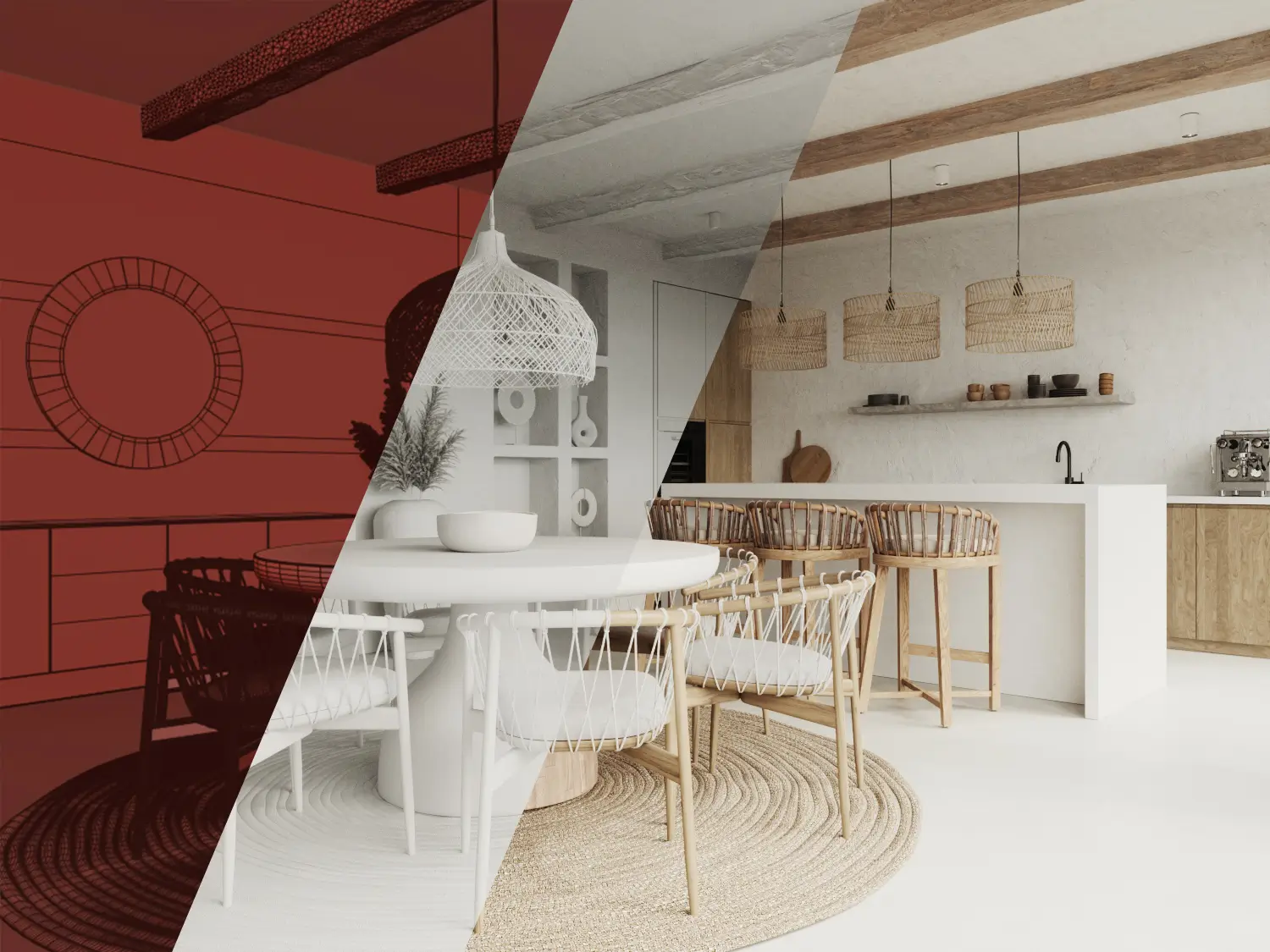
Product documentation
The ideal situation is to have access to technical drawings, 3D or CAD models, or detailed photos of the product from different angles. If the product does not yet physically exist, sketches, even hand-drawn ones, with dimensions and proportions are sufficient. I also work on the basis of verbal descriptions and inspirational photos - it is important to convey the key features of the product: dimensions, materials, colors, and functionality.
Visual inspiration and style
Photos from Pinterest, examples from competitors, or excerpts from catalogs help me understand your aesthetic vision. They don't have to be perfect - the point is to convey the mood, color palette, and style of design that suits you. The more references I have, the easier it will be for me to meet your expectations with the first test render.
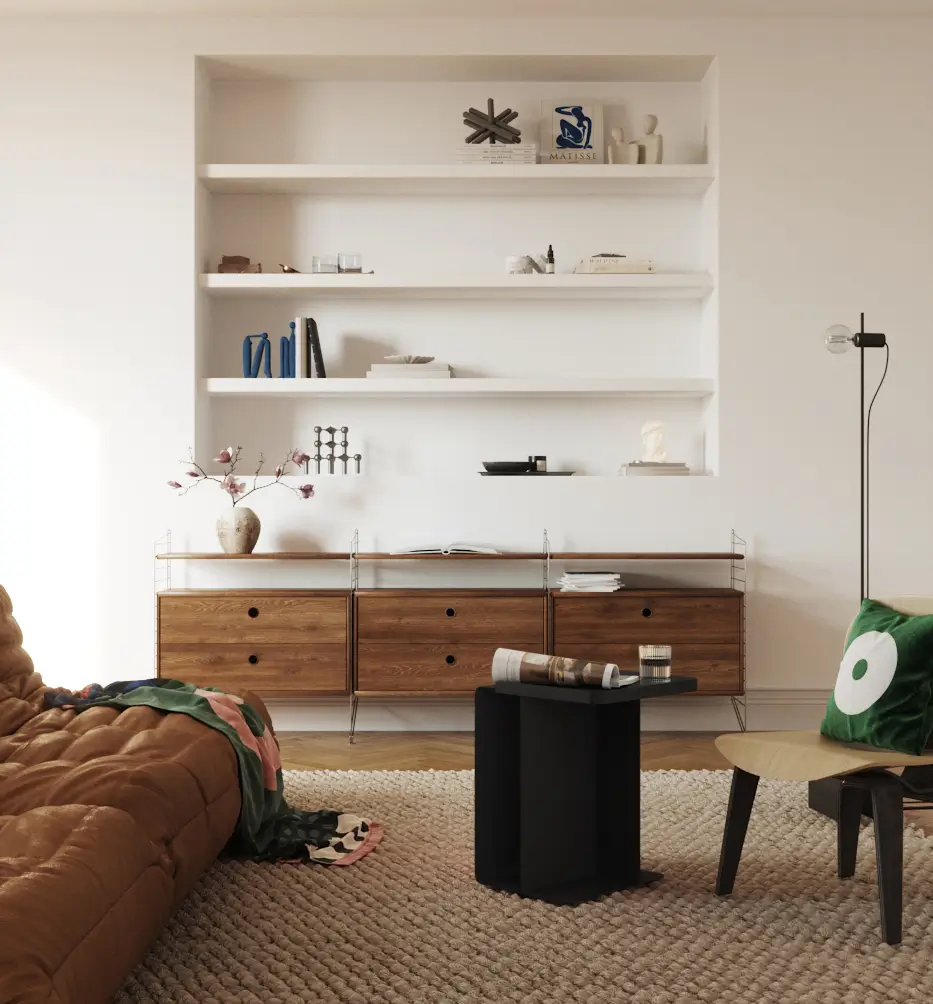
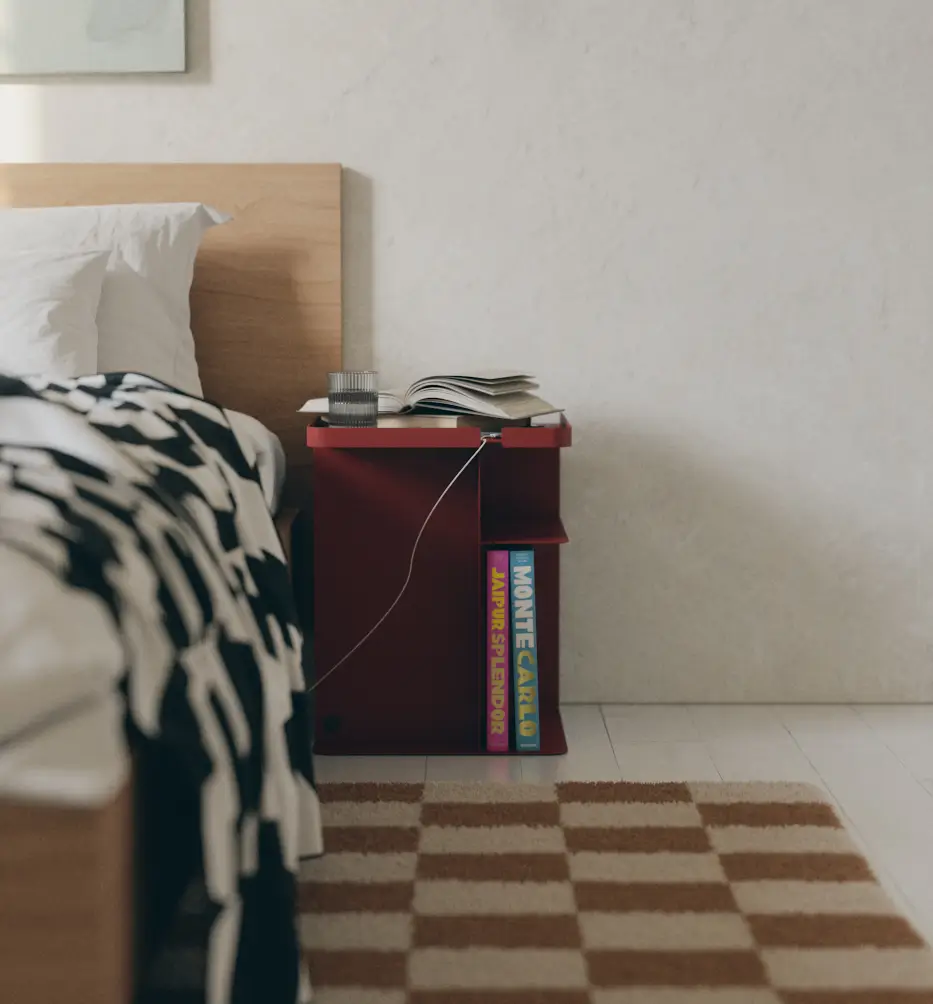
Information about the intended use
Tell me where the visualizations will be used: printed catalog, website, social media, trade fairs. This affects the proportions of the frames, the style of the arrangement, and the intensity of the colors. If you know the target group, this is also valuable information for choosing the right aesthetics. It is important to match the interior and accessories to the price range of your product so that everything is consistent and not unrealistic or exaggerated.
Product variants and options
If the product comes in different colors, materials, or sizes, providing a complete list at the outset will allow for effective production planning. This allows me to prepare a base scene and quickly generate subsequent variants without duplicating work.
When materials are missing
If you don't have a complete set of documentation, no problem. Together, we will determine what information is key and what can be refined along the way. I often start projects with a simple sketch and a few inspirations, and we refine the details during the test rendering stage. Flexibility is the basis of good cooperation.
Briefing - the starting point
Based on your materials, I prepare a project briefing: I confirm the assumptions, propose technical solutions, and present a schedule. This is the time to ask questions, raise concerns, and make sure we are on the same page. The better we understand each other at the start, the faster and smoother the implementation will be.
The most important thing is open communication - even incomplete materials are a good start if we can freely discuss your vision and expectations.
Let’s talk about your project
From concept to delivery